
LAPD History
The History of Long-Distance Running in the LAPD
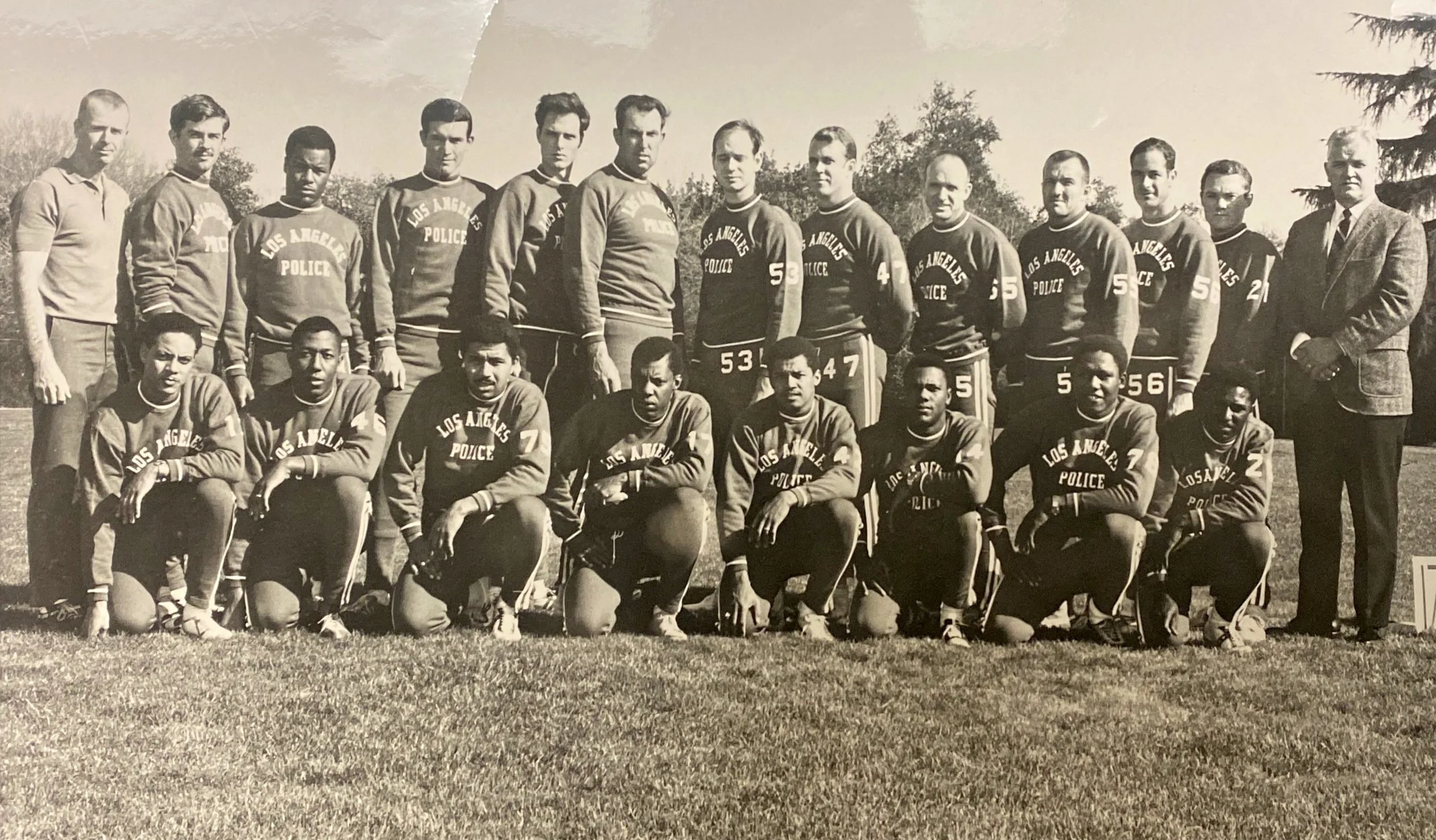
Long-distance running within the Los Angeles Police Department (LAPD) evolved from a small, informal activity into a structured and highly competitive athletic tradition. Beginning in the late 1960s, a handful of dedicated officers laid the foundation for what would become one of the most respected law-enforcement running programs in the United States. Through leadership, organization, and a shared commitment to excellence, LAPD running grew to involve thousands of officers and established a lasting legacy of endurance, teamwork, and discipline.
Early Foundations (1960s–1970)
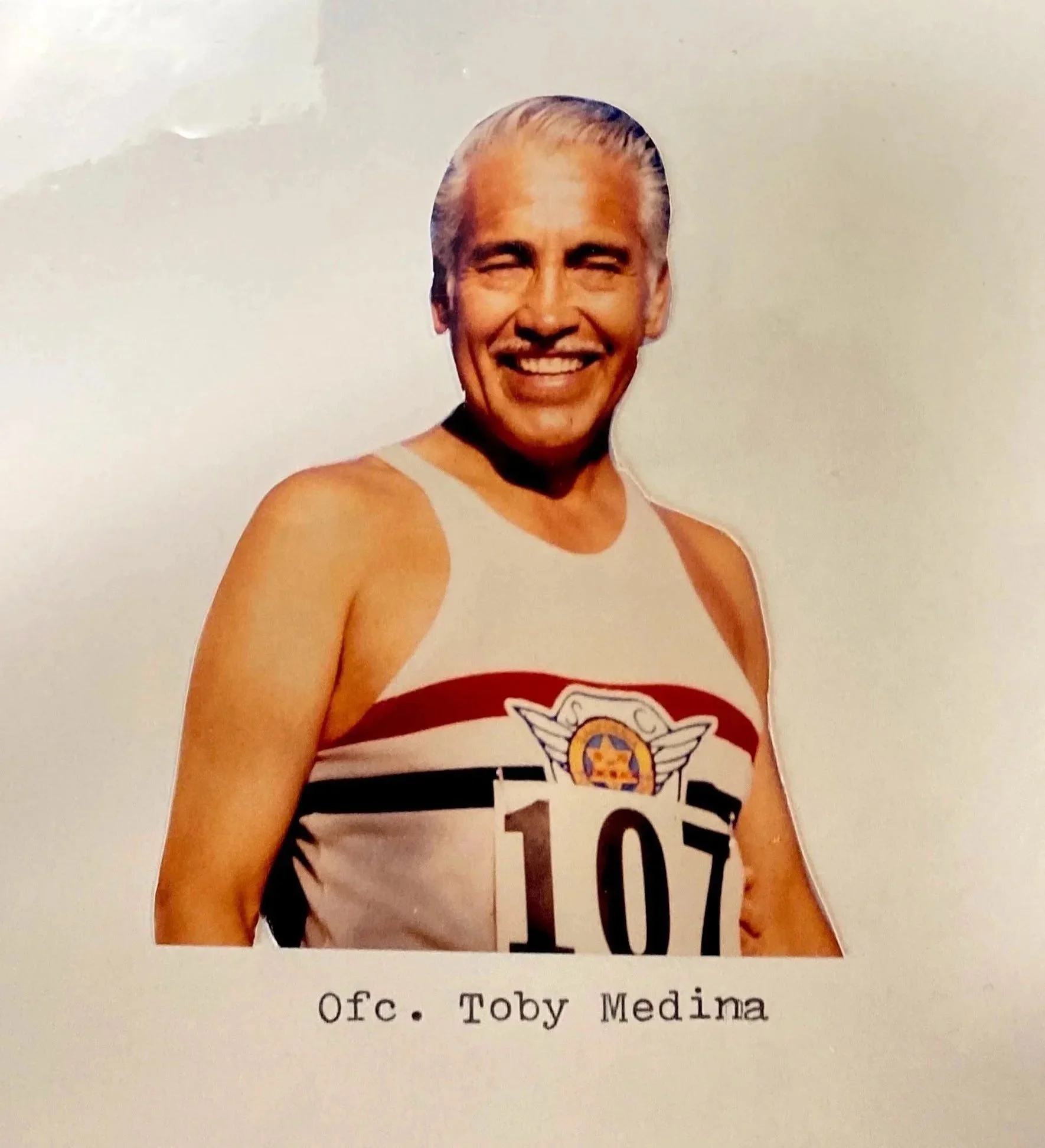
Toby Medina
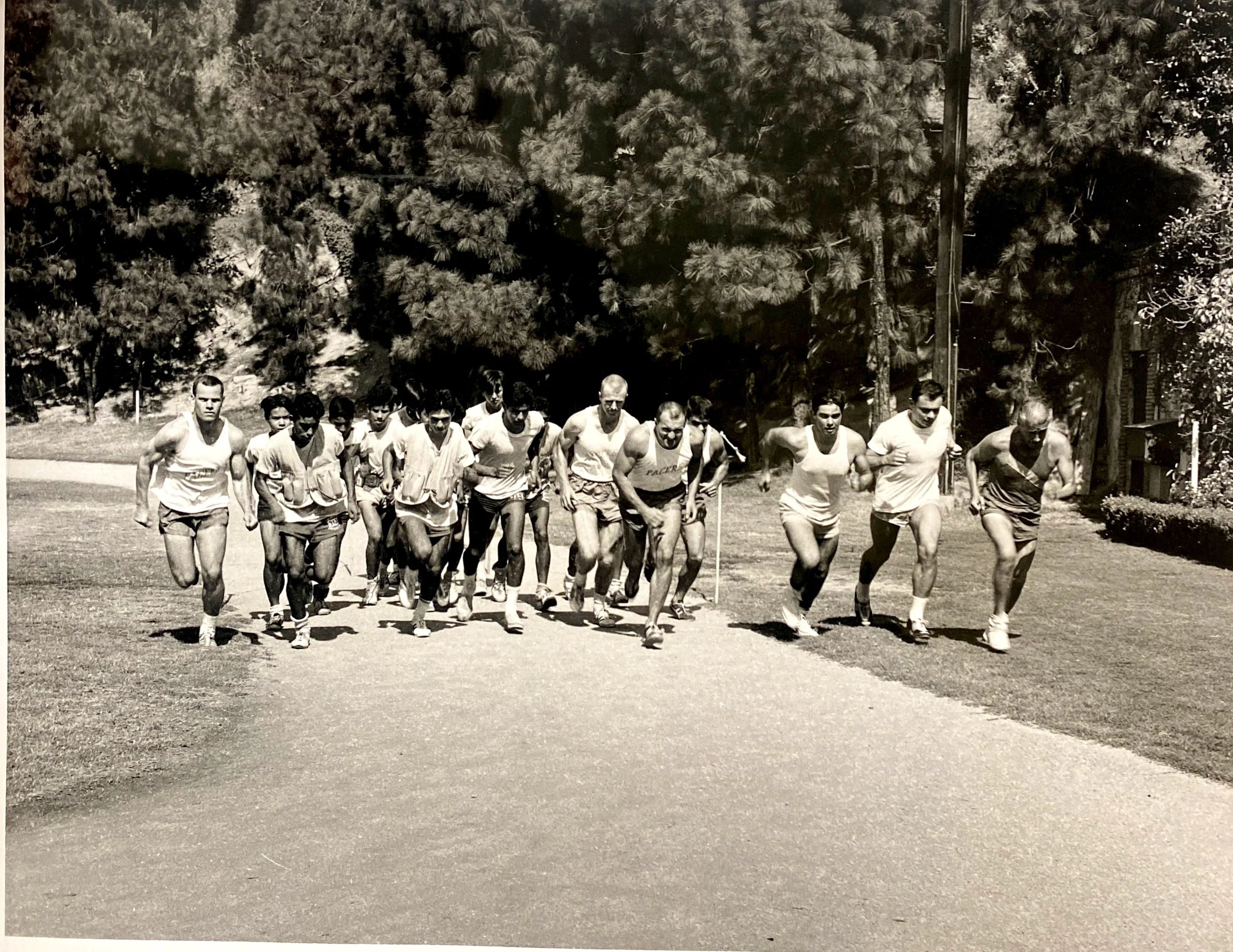
The roots of LAPD long-distance running can be traced to the late 1960s. As the formal beginning of long-distance running in the LAPD is credited to Sergeant Toby Medina. Assigned to Hollenbeck Division, Medina initiated the LAPD Pacers, a group that encouraged participation from officers regardless of prior running experience. Many early members were not runners at all, but Medina’s enthusiasm and persistence brought them into the sport.
While Medina was instrumental in starting the movement, he did not enjoy the administrative side of organizing teams and events. To address this, he partnered with Bob Burke, whose organizational skills proved essential to the program’s expansion.
Between 1965 and 1976, Bob Burke organized relay races across the country, significantly broadening the scope of LAPD running. These efforts transformed the Pacers from a small group into a structured team capable of competing at a high level.
Burke’s influence extended well beyond these early years. He later created the LAPD Distance Team in 1968 and the LAPD Track Team, which operated from 1973 through 1999, establishing a formal athletic framework that supported both distance and track competition within the department.
Early Competitors & Team Culture
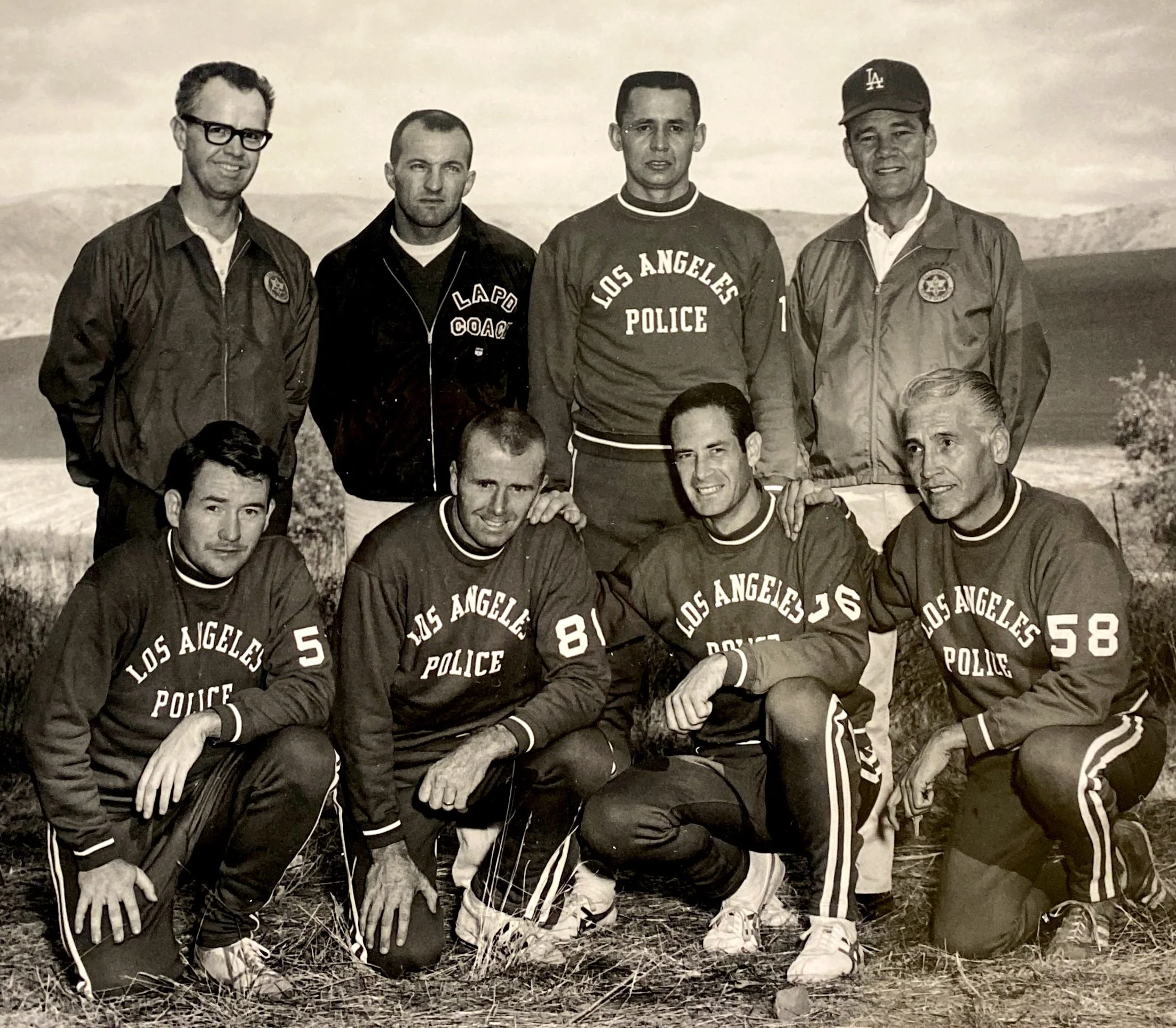
Several individuals emerged as key figures during this formative era. Frank Malles, assigned to Robbery, began running at the age of 48. Though not previously a runner, he brought a competitive mindset from his background in baseball and quickly embraced the sport.
Other notable runners included Frank King and Rich Dyer, both capable of running 10 miles in 55 minutes, a standard that reflected the increasing competitiveness of the team. The philosophy that guided the group during this period was simple and uncompromising: “Train Hard and Win.”
The LAPD Pacers competed primarily in 50-mile relay races, typically running only two to three events per year during the late 1970s and 1980s. Races took the team throughout Southern California, including Orange County, Ventura, and San Diego, with the goal of assembling the ten fastest runners in the department for elite competition.
Major Races & Milestones
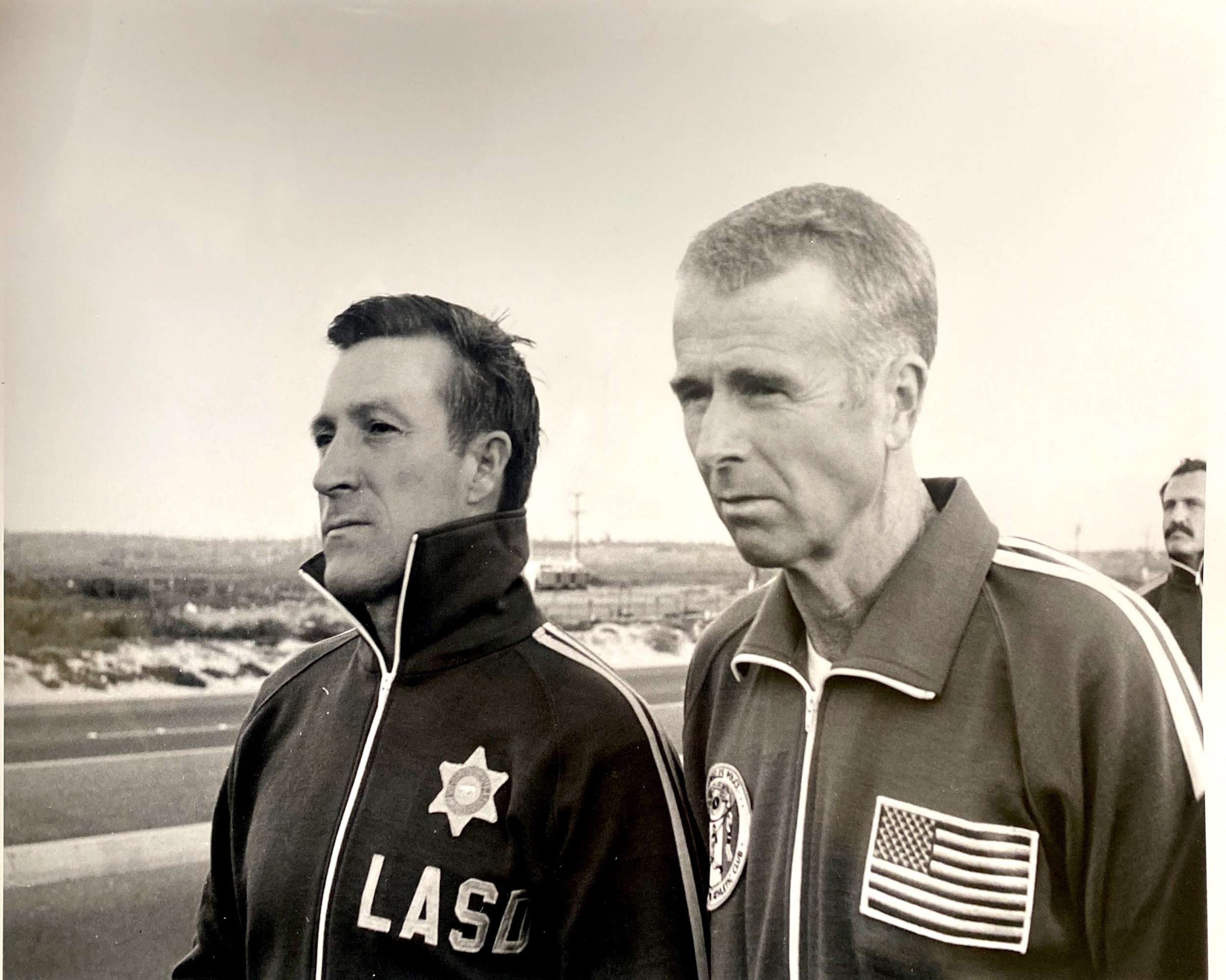
In 1969, LAPD runners competed against the Sheriff’s Department in a relay from Long Beach to San Diego along Highway 1, winning the event by 13 seconds. This victory helped solidify the department’s reputation as a serious competitor in endurance events.
The team later participated in a major relay from Los Angeles to San Francisco, one of the largest endurance challenges undertaken by LAPD runners at the time. Additional notable events included the Death Valley Relay (1979–1984) and the Banff–Jasper Relay in Canada, marking the team’s expansion into national and international competition.
In 1985, LAPD runners entered the Baker to Vegas Relay, an event that would eventually become the most iconic law-enforcement relay race in the United States and a defining chapter in LAPD running history.
Training, Selection & Leadership
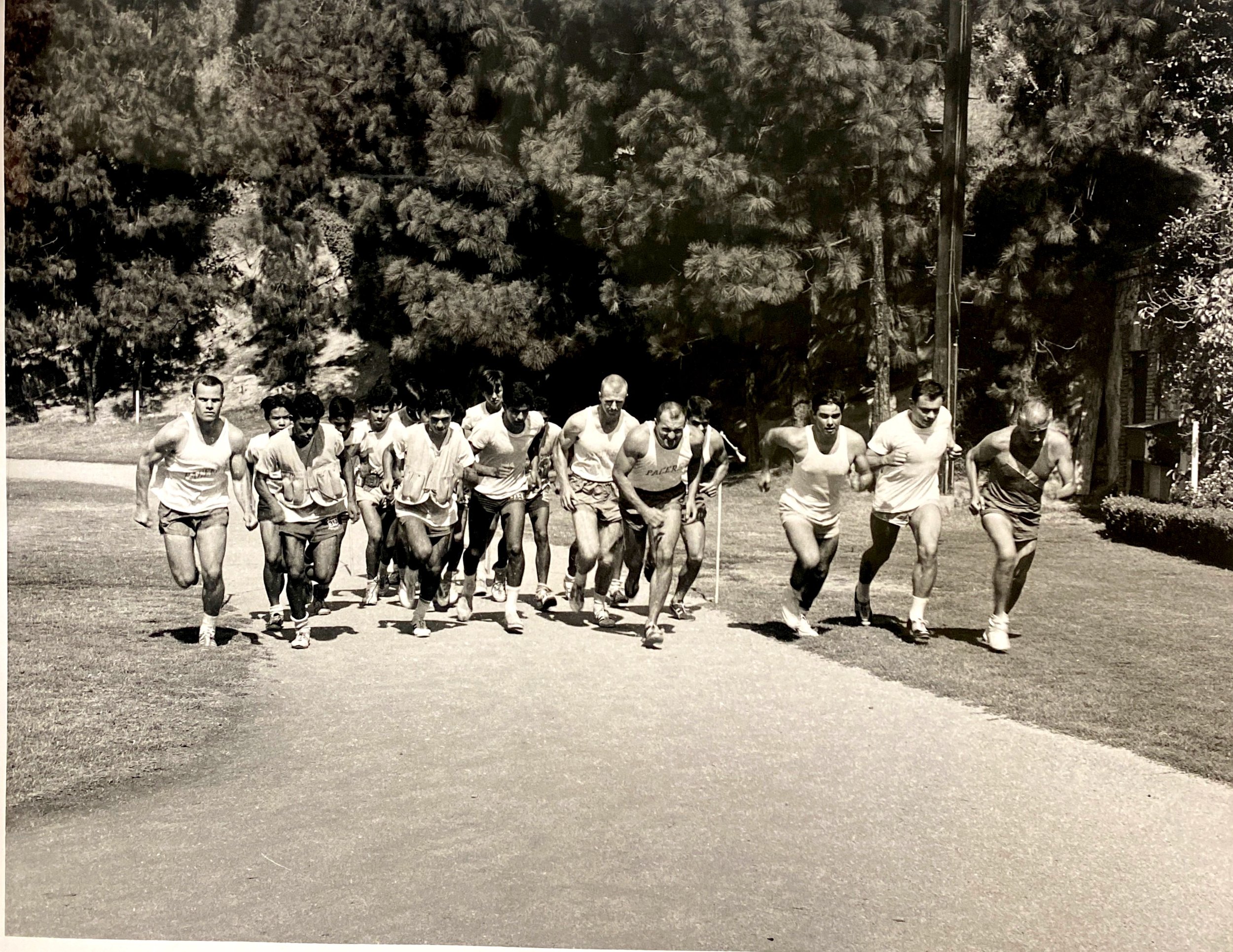
During these times, the team tryouts were conducted at the Griffith Park 15K race, ensuring that selection was based on performance under competitive conditions. Once selected, runners were only responsible for their airfare. Chuck Foot managed all other logistics, including hotels and race coordination, allowing athletes to focus entirely on training and competition.
Training was rigorous and consistent. A core group of officers—initially 12, eventually growing to 40—met twice weekly at Davis Academy. This structure fostered discipline, accountability, and camaraderie.
Growth and Legacy
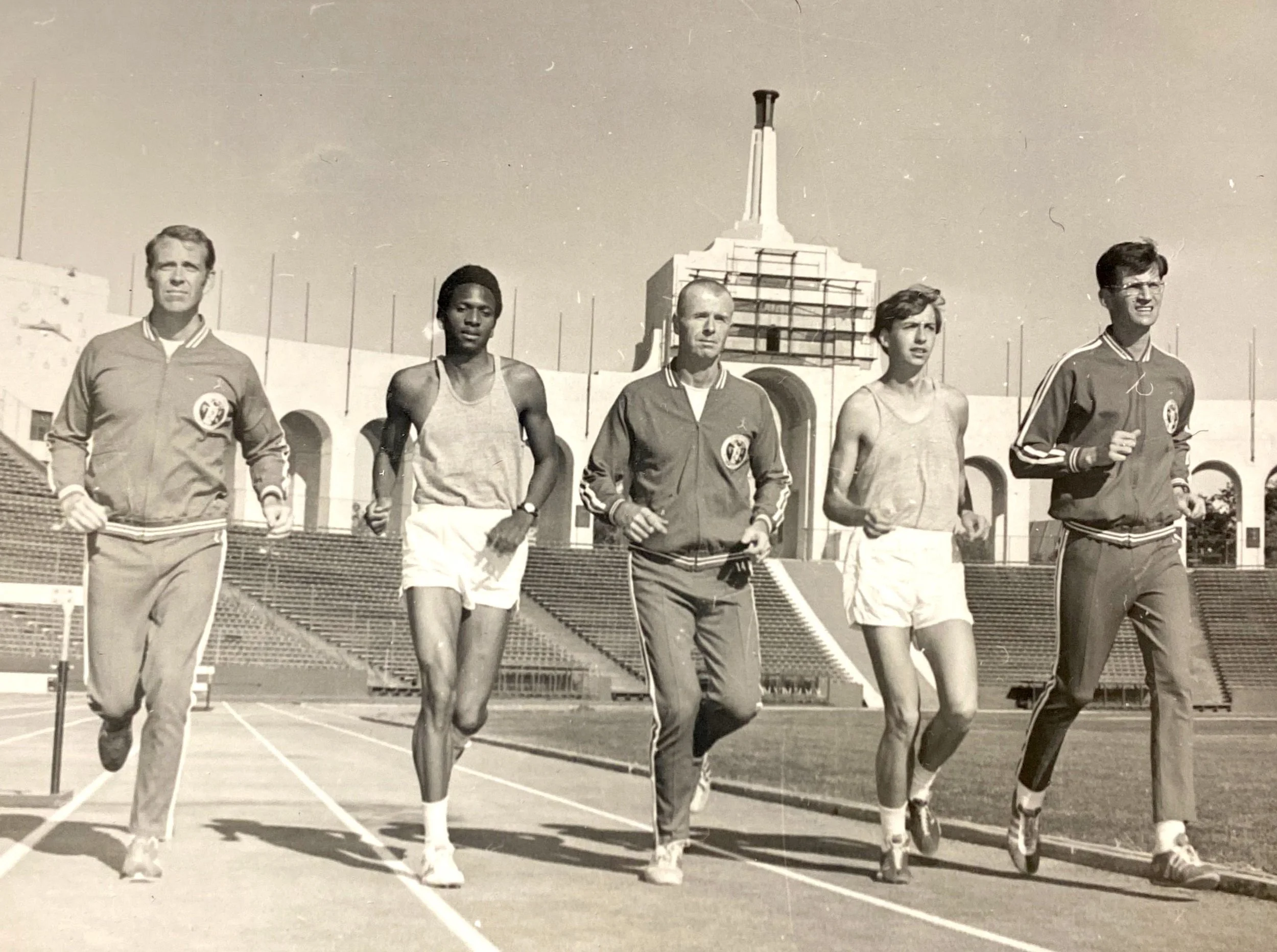
Over time, participation in running within the LAPD expanded dramatically, growing from approximately 20 officers to more than 2,000 officers engaged in running activities. Jim Steppen, who joined the department in 1981 at the age of 28, represented a new generation shaped by the strong foundation established by earlier leaders. A lifelong runner, Steppen embodied the continuity of the program’s culture and values.
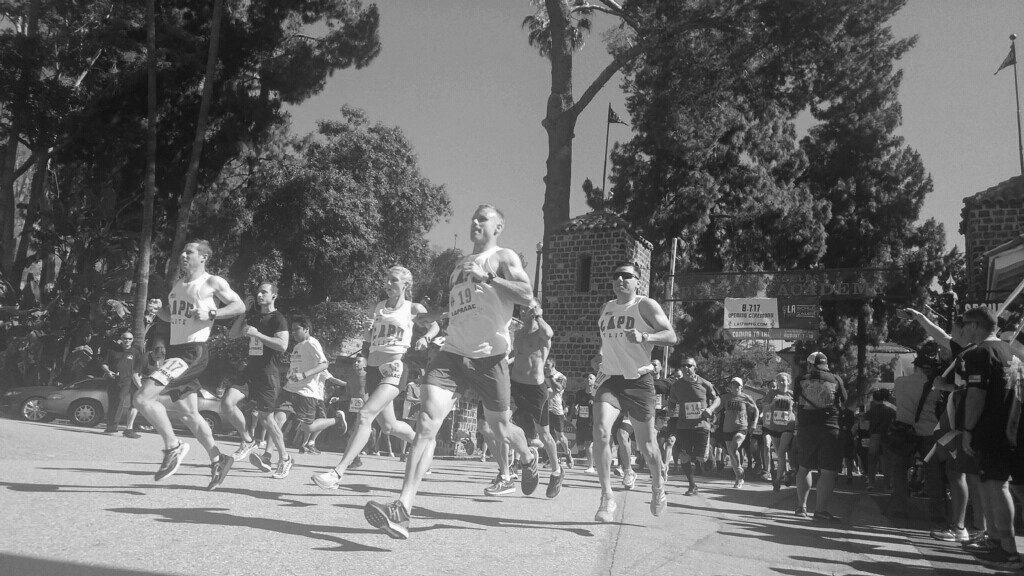
In 2011, LAPD Chief Charlie Beck helped put together and support the birth of the Los Angeles Police Department Running Team (Also known as LAPD Elite Running Team). This Elite group of officers carries on LAPD legacy as one of the best in the country as they compete in the Baker to Vegas Challenge Cup Relay annually.
all said & done
The history of long-distance running in the Los Angeles Police Department is a story of vision, leadership, and perseverance. What began as a small group led by Toby Medina and organized by Bob Burke evolved into a nationally respected program that emphasized physical excellence, teamwork, and pride in service. Through decades of competition—from local road races to iconic relays like Baker to Vegas—LAPD running has left a lasting legacy that continues to influence the department’s athletic culture today.